Education without teachers ?
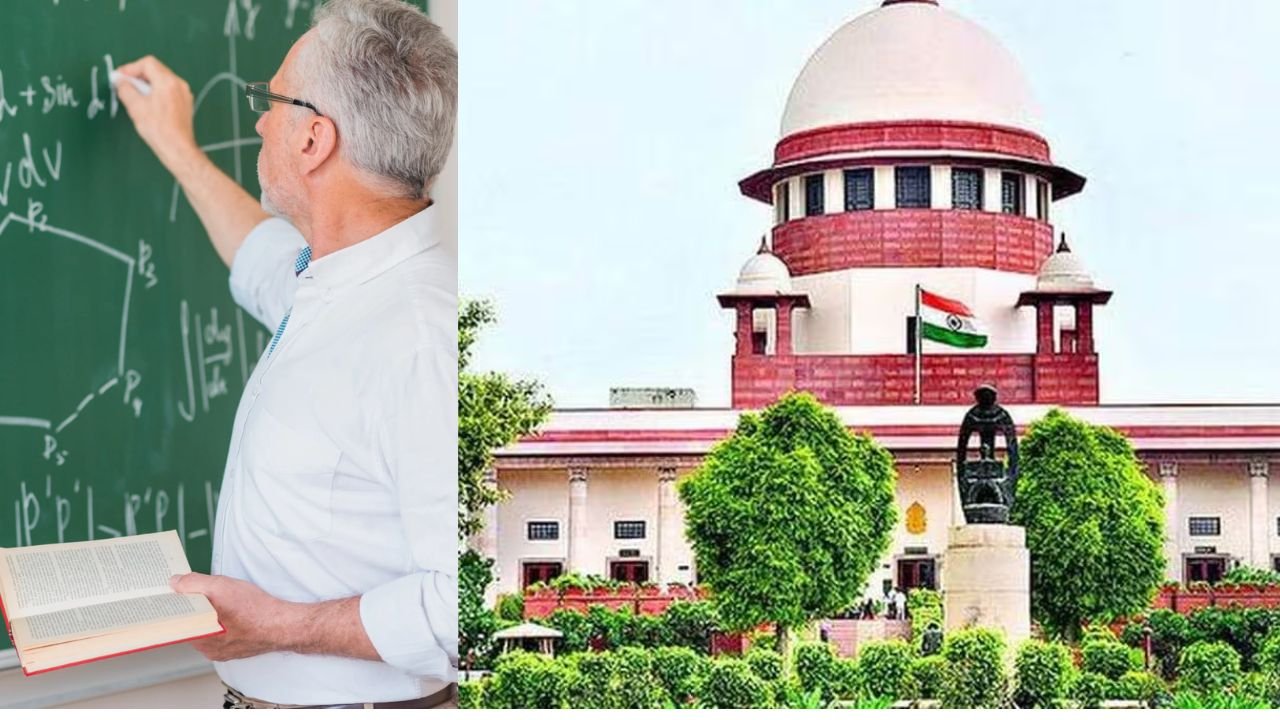
Education without teachers, Supreme Court forced to order recruitment
The Supreme Court has ordered that vacant teaching positions in higher education institutions be filled within four months. Ironically, governments have failed to address this issue, leaving thousands of positions vacant in central and state universities. This is disrupting teaching and causing difficulties for students. Despite the new education policy, this situation is weakening the higher education infrastructure.
- The Supreme Court ordered teacher recruitment within four months.
- Thousands of teaching posts are vacant, the education system is being affected.
- Serious crisis in higher education despite the new education policy.
It is ironic that the Supreme Court had to order higher education institutions to fill vacant teaching positions within four months. Governments should have been vigilant about this. Because they are not diligent in filling teaching positions on a priority basis, a large number of teaching positions remain vacant in both government and private higher education institutions.
It’s unfair that the Supreme Court had to take on a task that should have been handled by the government. It’s impossible to ignore the fact that teaching positions often remain vacant for years. The dire situation is evident from the fact that even central universities are grappling with the problem of teaching vacancies.
This means that even the Ministry of Education is not vigilant about ensuring that teaching positions do not remain vacant for long. Due to this lack of vigilance, even the position of Vice-Chancellor remains vacant in many universities. It is difficult to understand why this is so. Of course, it cannot be said that there is a lack of qualified candidates to fill the vacant teaching positions.
Vacant teaching positions create numerous problems in educational institutions. This not only disrupts teaching and learning but also increases student distress. Considering these concerns, the Supreme Court found that a significant number of teaching and non-teaching positions remain vacant in the country’s higher education institutions.
This can be understood from the fact that 4,000 teaching positions are vacant in Bihar’s universities. In Haryana, some universities have not recruited professors, associate professors, or assistant professors for six years, while others have for eight. As a result, approximately 60 percent of the positions are vacant. Similarly, in 15 of Madhya Pradesh’s 19 government universities, more than 70 percent of teaching positions are vacant. The situation is similar in other states as well.
This means that higher education is running on God’s mercy. This deplorable situation exists even after five years of the implementation of the new education policy, which places special emphasis on the student-teacher ratio. The problem isn’t just that a large number of teaching positions are vacant. Along with teaching positions, non-teaching positions are also vacant. This situation weakens the higher education infrastructure. It should not be long before we understand that the level of higher education requires significant improvement, and this cannot be achieved while teaching positions remain vacant.