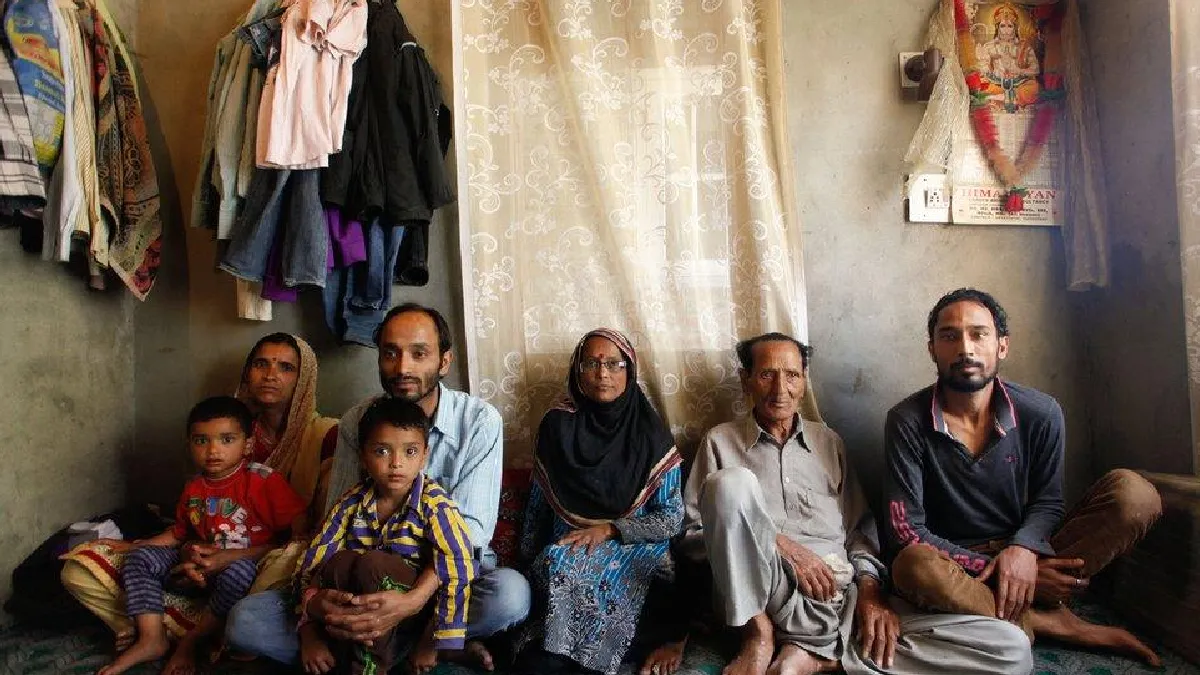
there is no greater tragedy than becoming refugees in their own country.
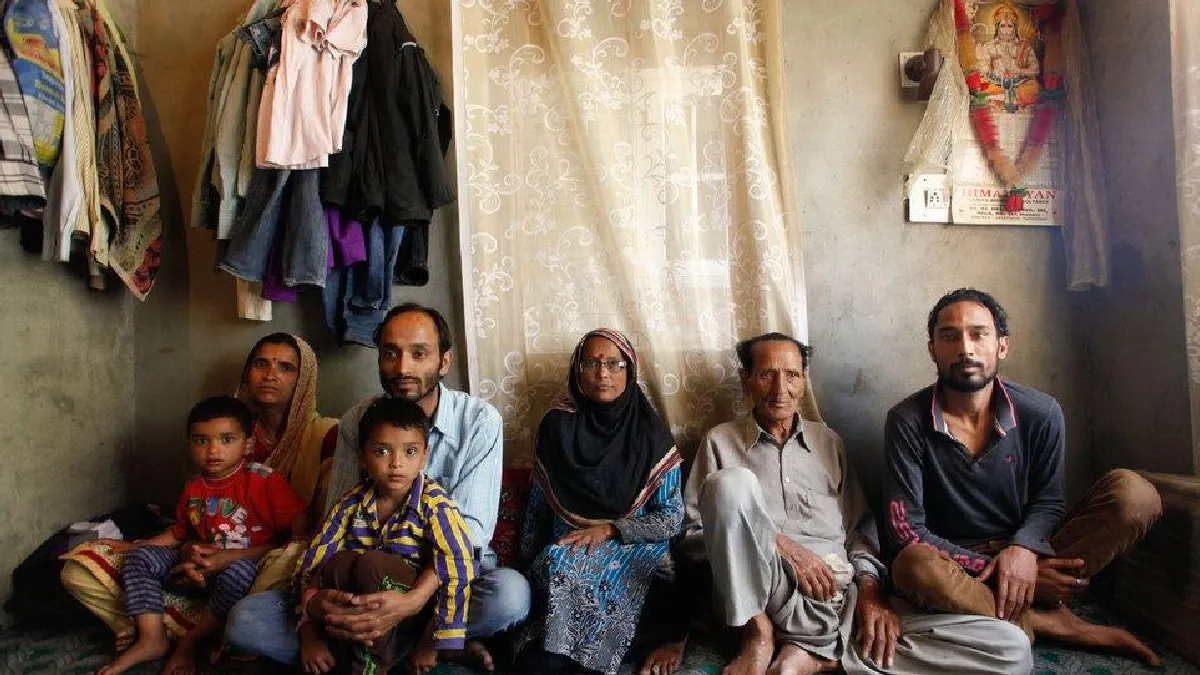
Kashmiri Hindus were ignored not only by successive governments but also by the Supreme Court. It refused to investigate cases of their systematic killings in Kashmir, saying it was too late. This statement epitomized justice delayed and injustice.
- On January 19, 1990, there was a mass exodus of Kashmiri Hindus.
- Even after 36 years, there is no concrete way to return.
- Special protected areas are needed for safe return
Rajiv Sachan. January 19th came and went, but hardly anyone paid attention to the displaced Kashmiri Hindus. Yes, Farooq Abdullah certainly rubbed salt into their wounds by asking who is stopping Kashmiri Hindus from returning to their homes? According to him, Kashmiri Hindus can return to the valley whenever they want and live comfortably in their homes, but this is not true. The situation in Kashmir is not such that Kashmiri Hindus can return to their homes without any fear or apprehension. January 19th, 1990, is known as the day of exodus of Kashmiri Hindus.
Although the exodus of Kashmiri Hindus from Kashmir began before 1990, January 19th of this year marked the day when they erupted en masse. 36 years have passed, but there is no sign of their return to their homes, and now they have all but given up hope because, even after the abrogation of the divisive Articles 370 and 35A from Jammu and Kashmir, no clear path for their return has been found. This is because, despite the decline in terrorism, the environment in Kashmir is no longer conducive for Kashmiri Hindus to confidently consider returning there. They are unable to do so because they are frequently targeted in Kashmir.
Since the abrogation of Article 370 on August 5, 2019, approximately five thousand Kashmiri Hindus were provided government jobs under the Prime Minister’s Development Package, but many of them fled again due to security concerns. Today, the total population of Kashmiri Hindus in Kashmir is less than ten thousand. Yet, no one talks about Kashmiriyat or humanity. They do talk about democracy. Regarding the return of Kashmiri Pandits to their homes, Farooq Abdullah also stated that their permanent return is now difficult, as they have settled in other parts of the country and their children are busy studying and working.
This is true to some extent. The children of displaced Kashmiri Hindus living abroad, both domestically and internationally, lack the same connection to Kashmir as their parents, as many of them lack memories of the region. Many of them were born and raised outside Kashmir, in Jammu, Delhi, or other cities across the country. However, according to a survey, approximately 62 percent of displaced Kashmiri Hindus wish to return to their homes if security is guaranteed. Yet, only 610 Kashmiri Hindus have had their lands returned in the last five years. Many Kashmiri Hindus want to see their homes preserved so they can visit and spend time there, connecting with their roots. They want to remain connected to their roots so that their culture is preserved.
In 1989-90, when terrorism was at its peak in Kashmir, with horrific slogans being raised against Kashmiri Hindus and they were being selectively killed, there is disagreement about the number of Kashmiri Hindus and Sikhs who fled their homes. However, it is a fact that approximately 50,000 Kashmiri Hindus who fled for safety remained in refugee camps in Jammu for long periods. There is no greater tragedy than becoming refugees in one’s own country, but this is exactly what happened to Kashmiri Hindus.
This situation should have become a matter of national shame, but it did not. The question of who is responsible for the exodus of Kashmiri Hindus is often lost in political blame games, but the truth is that the collective political will to ensure justice for them was lacking. This lack led to the rule of law being undermined and justice being mocked. Furthermore, it emboldened terrorists, sending them the message that they had succeeded in subverting Indian rule.
Kashmiri Hindus were ignored not only by successive governments but also by the Supreme Court. It refused to investigate cases of their systematic killings in Kashmir, stating that it was too late. This statement epitomized the injustice of delayed justice. Indeed, whenever someone is forced to flee and then, despite their desire, is unable to return to their homeland, justice is defeated by injustice, along with a disregard for the rule of law.
What happened to Kashmiri Hindus should not happen to anyone. To achieve this, it is essential that every effort be made to resettle Kashmiri Hindus who wish to return to their homes, even if it means creating special protected areas for them in the Kashmir Valley. This will send a message to terrorists that India will not bow down to terror. If Israel can build special settlements for Jews in Palestine, why can’t India do the same to resettle Kashmiri Hindus on its own soil?