Fatal neglect of public safety, system’s insensitivity is being exposed ???
Fatal neglect of public safety, system’s insensitivity is being exposed
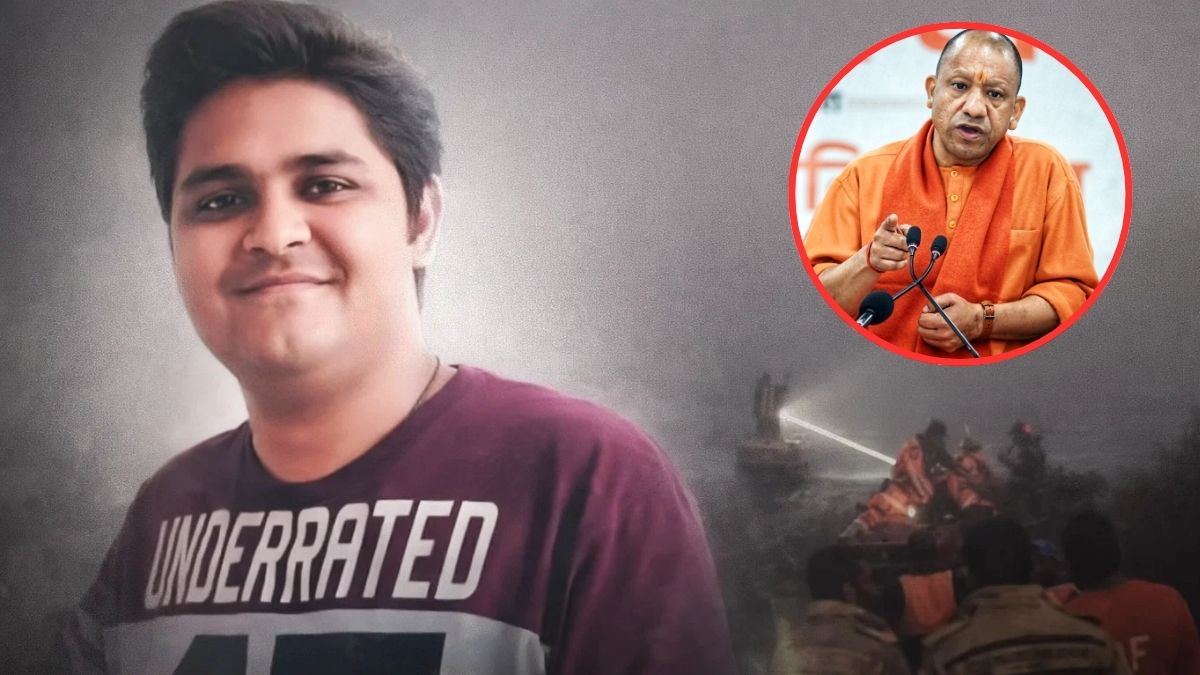
The death of engineer Yuvraj Mehta in Noida, who died after his car fell into a flooded basement due to fog, has exposed administrative negligence and disregard for public safety. Despite surviving for nearly 90 minutes, he was unable to be saved due to the incompetence of rescue teams. The incident reflects the profound insensitivity of urban bodies, development agencies, and emergency services, which continue to disregard safety standards across the country.
- The death of an engineer in Noida is a direct result of administrative negligence.
- Gross negligence of safety measures at the construction site was exposed.
- The incompetence and lack of coordination of the rescue team proved fatal.
…. The death of 27-year-old Noida engineer Yuvraj Mehta occurred not on a battlefield, nor in a natural disaster, but on the side of a normal road we travel carefreely every day. Due to fog, this young man’s car plunged into a waterlogged basement of a construction site, and he drowned in the presence of numerous people.
This incident exposes the profound insensitivity of our municipal bodies, development agencies, and emergency response systems. Yuvraj remained alive for approximately 90 minutes after the accident. His car fell into a pit-like basement because it was left open without barricades, warning signs, lights, or reflectors. He struggled alone in the cold water, pleading for help. His father arrived at the scene, as did rescue workers, but they failed to take any effective action for nearly two hours.
Sometimes they cited cold water, sometimes a lack of equipment. Yuvraj was a victim of administrative negligence. Public outrage over such incidents is natural. These are not isolated incidents. They are symptoms of a deep and persistent systemic failure. Such dangers exist in every city, they simply remain unnoticed until someone loses their life. To understand any tragedy, it is necessary to examine the chain of negligence that preceded it. At the pothole in Noida where Yuvraj’s car fell, warnings had been issued earlier about roadside erosion and waterlogging. Yet, nothing was done. There were no barricades, no warning signs, and no adequate lighting, even though these are basic safety measures.
Urban development authorities, municipal corporations, and public works departments across the country appear to be ignoring safety standards. Open drains, uncovered sewer lines, roadside excavations, and potholes have become commonplace. Construction materials lying on roads constrict traffic and pose a serious hazard at night. The situation is further exacerbated when roads are left dug up for months, and construction materials remain scattered without reflectors, making them invisible in low light.
These are systemic failures that we ignore until a major accident occurs. Government agencies aren’t solely responsible for this situation. Builders violate safety regulations, mining mafias damage roads with overloaded vehicles, and small trucks ignore load limits. Profits are placed above human life. The situation worsens when the administration remains silent. Apathy, political pressure, corruption, and influential nexus weaken oversight, and violations continue unchecked. My experience filing an FIR against the Public Works Department for dangerous roads in Udham Singh Nagar, Uttarakhand, demonstrates this. Instead of correcting the mistake, the entire system became preoccupied with protecting itself. This mentality persists even today.
No driver should have to face a water-filled pothole on a familiar road. The excuse of fog is also unacceptable, as it happens in winter. What’s serious is that a similar accident had occurred at the same location in Noida a few days earlier, yet safety measures were not taken. It was a high-risk “black spot” with poor lighting, a blind curve, standing water, and a deep pothole. Multiple emergency agencies rushed to the scene, but lacked adequate equipment, coordination, or readiness. Such helplessness is unforgivable when systems like the police, SDRF, and fire service are in place.
This tragedy was entirely preventable. The danger should have been identified earlier. Any excavation near the road must be secured with barricades, reflectors, warning lights, and railings. Blind turns should never lead to unprotected water bodies. Construction sites should not be allowed to remain unattended overnight. Safety audits should be mandatory, and citizen complaints should be promptly addressed. If a better-equipped SDRF team had been called in earlier and senior officials informed immediately, the outcome might have been different. The job of emergency teams is not to avoid risk, but to deal with it.
While Noida demonstrated infrastructure failures, Indore exposed the weaknesses of civic health protection. Despite complaints of foul-smelling water, timely action was not taken, leading to the deaths of many people. This happened in a city lauded for its cleanliness. Cosmetic achievements are no substitute for genuine public health vigilance. We often accept broken roads, leaking pipelines, and unsafe construction as normal. Governance becomes reactive rather than preventative. Accountability is briefly visible after a tragedy and then disappears.
Public safety cannot be compromised. Identification of accident-prone black spots, mandatory safety measures, regular audits of construction sites, strict penalties for negligence, timely grievance redressal, and robust emergency units are essential. Development without public safety is not progress. Infrastructure is meant to save lives, not to gamble with it. If we can build expressways and launch satellites, we can also ensure safe roads, clean drinking water, and effective emergency systems. The lack is not of resources, but of will. Unless accountability is established and strictly enforced, and negligence is criminalized, such tragedies will continue to recur. Genuine reform is the only way forward; otherwise, we will simply wait for the next tragedy.